The best opportunities often require conviction before anyone else can see the outcome. Success rarely happens overnight. It comes from consistently showing up, building relationships, and staying committed to a long-term vision even when others don’t fully understand it yet.
Peggy Olin of OneWorld Properties On Five Things You Need To Know To Succeed In The Real Estate Industry
The best opportunities often require conviction before anyone else can see the outcome. Success rarely happens overnight. It comes from consistently showing up, building relationships, and staying committed to a long-term vision even when others don’t fully understand it yet.
The commercial real estate industry is a dynamic and challenging landscape that offers enormous potential for success. However, it requires a unique blend of skills, knowledge, and aptitude to truly excel. How does one establish themselves in such a competitive field? What does it take to consistently rise to the top in commercial real estate? How does one rise above the headwinds that are challenging the commercial real estate industry today? In this interview series, we are talking to commercial real estate professionals, brokers, investors, leaders of Real Estate Firms and Real Estate Investment Trusts (REITs), as well as anyone who’s found significant success in this industry. As part of this series, we had the pleasure of interviewing Peggy Olin.
Peggy Olin is the President and CEO of OneWorld Properties, a leading luxury real estate brokerage she founded in 2008, where she has overseen more than $5 billion in luxury property sales and represented some of the nation’s most prominent developers. Widely recognized for her expertise in luxury residential real estate, she has led sales and marketing strategies for landmark developments across Florida and has advised major financial institutions, developers, and investment firms throughout her career. Olin has been named one of the ’s Power Leaders and is an active community leader, serving on numerous nonprofit and civic boards while helping expand OneWorld Properties’ global reach.
Thank you so much for joining us in this interview series! Can you tell us the “backstory” about what brought you to the Real Estate industry?
Ientered the real estate industry more than two decades ago after my previous career in banking that taught me discipline, resilience, and, most importantly, the value of relationships. From the very beginning, I understood that real estate is really about trust. If you don’t have that foundation, nothing else works.
As an immigrant from Peru, I also learned early on that opportunities are rarely given; they are created through hard work, perseverance, and relationships. That perspective has shaped my entire career.
In 2008, I founded OneWorld Properties during a very difficult moment in the market, but with a very clear conviction that the traditional brokerage model could be reimagined. I wanted to build a company that was more collaborative, more strategic and more aligned with developers from the earliest stages of a project.
For me, it was never just about selling units. It was about helping shape vision, building long-term partnerships, and elevating the experience for both developers and buyers. That mindset is what brought me into the industry, and it’s still what drives me every day.
Can you share with our readers the most interesting or amusing story that occurred to you in your career so far? Can you share the lesson or takeaway you took out of that story?
One of the most defining periods of my career was actually a combination of two decisions that many people questioned at the time.
The first was launching OneWorld Properties in 2008, in the middle of the financial crisis, when most people were focused on survival rather than growth. The second was investing heavily in building relationships overseas, particularly in China, long before Miami had fully emerged as the global city it is today.
Neither decision produced immediate results. Starting a company during a recession required patience, resilience, and a willingness to move forward when the future felt uncertain. Building international relationships required years of travel and trust-building before there was any visible return.
Looking back, both decisions taught me the same lesson: the best opportunities often require conviction before anyone else can see the outcome. Success rarely happens overnight. It comes from consistently showing up, building relationships, and staying committed to a long-term vision even when others don’t fully understand it yet.
Do you have a favorite “life lesson quote”? Can you share a story or example of how that was relevant to you in your life?
My favorite quote is actually the motto of our company: “Impossible is just an opinion.”
I’ve repeated that phrase to myself many times throughout my career. When I founded OneWorld Properties in 2008, during one of the most challenging real estate markets in history, many people thought it was the wrong time to launch a company. Looking back, it was one of the best decisions I ever made.
That experience reinforced something I’ve learned repeatedly throughout my life: many limitations are self-imposed. If you’re willing to work hard, stay resilient, and keep moving forward, things that seem impossible today often become possible tomorrow.
Are you working on any exciting new projects now? How do you think that will help people?
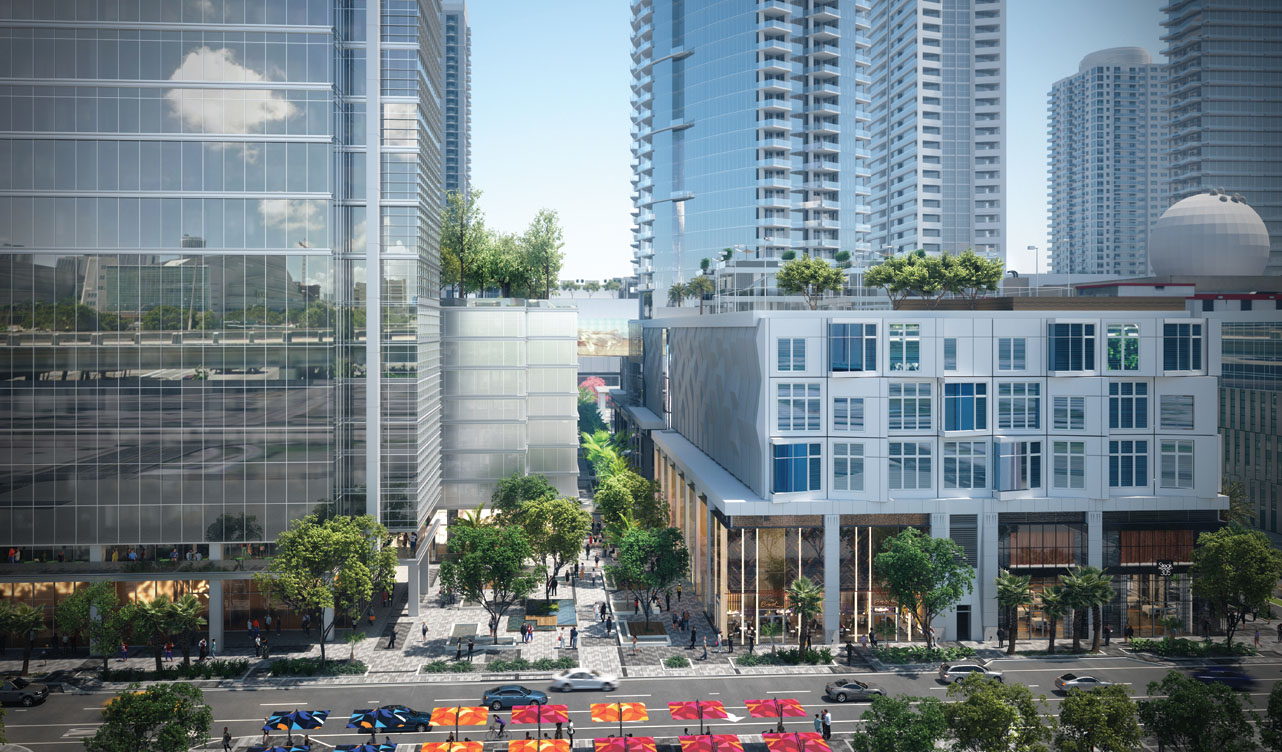
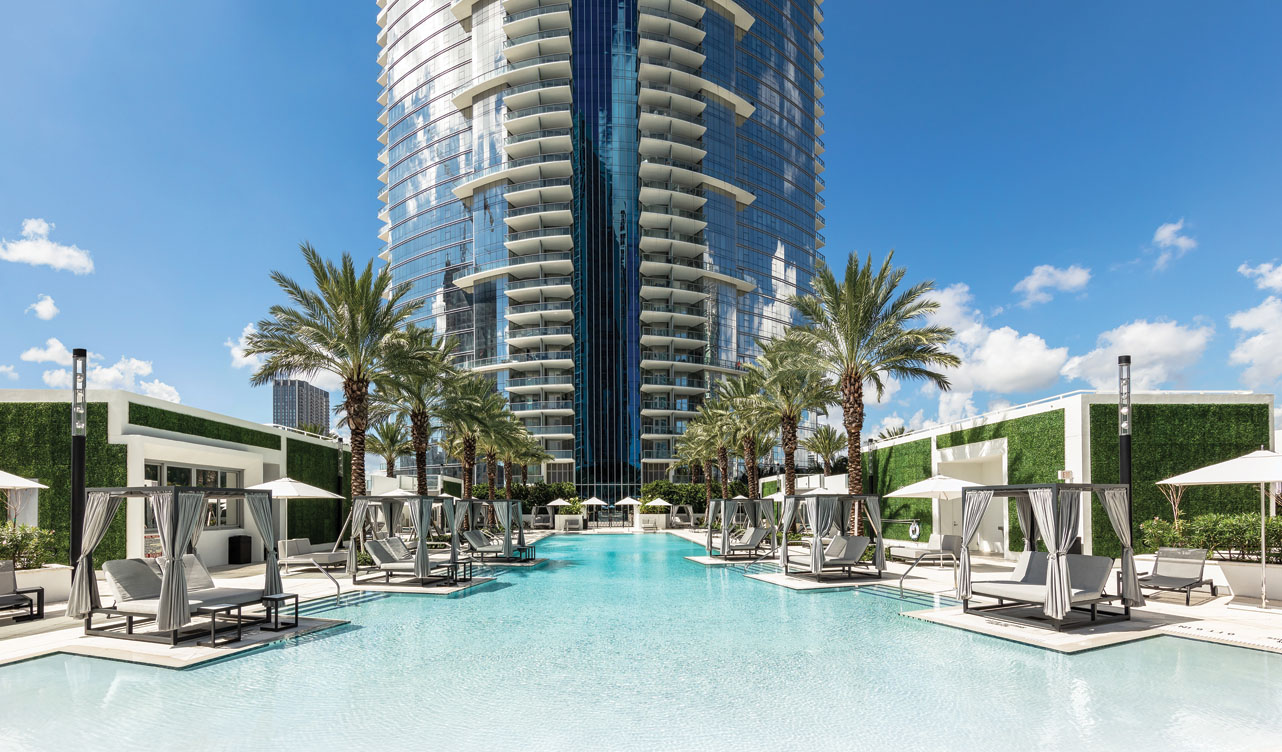
Yes, we’re currently representing several transformative luxury developments across South Florida, including projects like JEM Private Residences and Paramount at Miami Worldcenter, an area that continues to redefine what urban living looks like in downtown Miami.
We are also seeing strong momentum at Flow House and 2200 Brickell, as well as our newest launch, NoBe Parc in Miami Beach.
We’ve also just seen 7200 Collins break ground, which is another exciting milestone for Miami Beach and reflects continued demand for thoughtfully designed, lifestyle-driven development in the market.
What excites me most is that these aren’t just standalone buildings; they’re part of a larger shift toward more walkable, connected, lifestyle-driven communities. Today’s buyers are looking for more than a residence. They want wellness, flexibility, hospitality-inspired services, and a stronger sense of community.
NoBe Parc is a great example. It offers fully furnished residences by Crate & Barrel, wellness-focused amenities, Beach Club access, and no rental restrictions, providing owners with a level of flexibility that is increasingly difficult to find in Miami Beach.
That evolution allows people to live more conveniently, more socially, and in a way that feels more integrated into the city around them.
I’ve spent decades watching Miami evolve from a seasonal destination into a true global city. Today we’re attracting entrepreneurs, technology companies, families, and investors from around the world. It’s exciting to be part of that growth and help shape the next chapter of Miami’s story.
At OneWorld Properties, we’ve also been fortunate to achieve over $5 billion in residential sales, working with buyers from major U.S. cities and more than 60 countries, with offices in Miami, Fort Lauderdale, and China. In 2026, we’re on track to close $1.275 billion in inventory, including strong momentum from projects like Jem Miami WorldCenter, Flow House, Bungalow East and NobeParc Miami Beach.
What do you think makes your company stand out? Can you share a story?
OneWorld Properties was built during one of the most challenging moments in modern real estate history. I founded the company in 2008, in the middle of the global financial crisis, when most people were focused on playing it safe. It was a risk, but I believed that if we focused on relationships, trust, and long-term thinking, we could build something lasting.
That experience shaped our company’s DNA. Being built in adversity forced us to be disciplined, adaptable and deeply relationship-driven from day one. Looking back, one of the biggest lessons was that some of the most defining decisions in business require you to trust your instincts even when uncertainty is everywhere.
We’ve sold more than 5,000 residences over the years, but what I’m most proud of are the long-term relationships we’ve built with developers who continue to trust us project after project. That resilience continues to guide how we serve our clients and grow our business today.
None of us are able to achieve success without some help along the way. Is there a particular person who you are grateful toward who helped get you to where you are? Can you share a story about that?
I’ve been fortunate to have many people believe in me throughout my career. Early on, there were developers who trusted me with major opportunities before I had decades of experience behind me. Those opportunities challenged me to grow and pushed me outside my comfort zone.
More than any one person, I’m grateful for the people who took a chance on me and saw potential. That taught me an important lesson: whenever possible, I try to do the same for others. Sometimes one opportunity or one person believing in you can completely change the trajectory of your career.
Can you share 3 things that most excite you about the Real Estate industry? If you can please share a story or example.
What excites me most about real estate is the ability to help shape the future of a community. There is something incredibly rewarding about watching a neighborhood evolve over time and knowing that the projects you’re working on are contributing to that growth. I’ve had the opportunity to represent developments that have helped transform parts of South Florida, and seeing new businesses open, residents move in, and entire districts come to life is always exciting.
I also love that this industry is constantly changing. Market conditions shift, buyer preferences evolve, and new trends emerge every year. After decades in the business, I’m still learning something new all the time, which keeps the work engaging and challenging.
Most importantly, I love the people. Real estate is built on relationships, and some of the connections I’ve made throughout my career have lasted for decades. I’ve had the privilege of working with clients, developers, and brokers from all over the world, and those relationships have been one of the most rewarding parts of my journey. While buildings and markets change, trust and relationships remain at the heart of everything we do.
Can you share 3 things that most concern you about the industry? If you had the ability to implement 3 ways to reform or improve the industry, what would you suggest? Please share stories or examples if possible.
One thing that concerns me is how much noise and misinformation exists in today’s market. Buyers and sellers have access to more information than ever before, but not all of it is accurate or helpful. I’ve worked with clients who came in with preconceived notions based on headlines or social media commentary, only to discover that the reality of the market was very different. I think our industry has a responsibility to provide more transparency and better education so consumers can make informed decisions.
I also believe we need to think more holistically about growth. South Florida has experienced tremendous development in recent years, but successful cities aren’t built with residential towers alone. They need infrastructure, public spaces, transportation and thoughtful planning. Some of the most successful projects I’ve worked on are the ones that contribute to a broader vision for a neighborhood, creating places where people can live, work, and connect.
Another concern is developing the next generation of talent. Real estate can be incredibly rewarding, but it’s also demanding, and too often, young professionals are expected to learn through trial and error. Throughout my career, I’ve benefited from mentors and leaders who invested in my growth, and I believe our industry would be stronger if more companies prioritized mentorship, training and leadership development.
If I could improve the industry, I would focus on greater consumer education, smarter long-term urban planning, and stronger mentorship programs. Those three areas would create a more informed public, healthier communities and a stronger pipeline of future leaders for the industry.
What advice would you give to other real estate leaders to help their teams to thrive and to create a really fantastic work culture?
Creating a great culture starts with investing in people, not just performance. The best leaders encourage their teams to believe in themselves, continue learning, build strong professional networks, and seek out mentors who can help them grow. I’ve found that when people feel supported and are given opportunities to develop leadership skills, take on new challenges, and contribute their ideas, they’re much more engaged and motivated.
I also think it’s important to lead by example. Encourage your team to embrace challenges, trust their instincts, and have the confidence to speak up and take ownership of their work. Most importantly, stay true to your values. People want to work for leaders they trust. When you create an environment built on integrity, respect, collaboration, and a genuine commitment to helping others succeed, strong culture follows naturally.
If you had to advise someone about 5 non-intuitive things one should know to succeed in the Real Estate industry, what would you say? Can you please give a story or an example for each?
1. Real Estate is not really about properties; it’s about trust. Early in my career, I realized that the strongest relationships often begin years before a transaction ever happens. Some of my most important clients and business partners started as conversations with no immediate opportunity attached to them. People can buy real estate from many places. What keeps them coming back is trust. If you focus on building relationships instead of chasing transactions, the business tends to follow.
2. Your reputation travels faster than you do. I’ve always believed that people are watching how you handle the difficult moments more than the easy ones. In this industry, your reputation is built one interaction at a time. I’ve seen opportunities come full circle years later because someone remembered how a situation was handled during a challenging negotiation or difficult market cycle. Your reputation becomes your currency, and once it’s damaged, it’s very difficult to rebuild.
3. The best opportunities are rarely obvious at the beginning. Some of the most successful projects I’ve been involved with were not considered the obvious choice when we first got involved. Miami Worldcenter is a perfect example. It required vision and conviction long before the market fully understood what it would become. I’ve learned that you can’t simply follow momentum. Sometimes you have to believe in a vision before everyone else sees it. The best opportunities often require patience and a long-term perspective.
4. Relationships matter more than market cycles. I’ve been through multiple real estate cycles, from the financial crisis to periods of extraordinary growth. Markets will always go up and down. What remains constant are relationships. I’ve had clients pause decisions during difficult times and return years later because the trust was still there. Buildings change. Markets change. Relationships endure.
5. Confidence is important, but curiosity is even more important. There were many moments early in my career when I was the youngest person in the room or the least experienced voice at the table. What helped me wasn’t pretending to know everything. It was being willing to ask questions, learn, prepare, and continue growing. After more than two decades in the business, I’m still learning. The people who succeed long-term are usually not the ones who think they have all the answers. They’re the ones who remain curious, adaptable, and open to new ideas.
Because of your position, you are a person of enormous influence. If you could inspire a movement that would bring the most amount of good to the greatest amount of people, what would that be? You never know what your idea can trigger. :-)
I would inspire a movement around mentorship. Throughout my career, I’ve learned that talent is everywhere, but opportunity is not always equally distributed. Sometimes, all it takes is one person who believes in you, opens a door, or helps you see a bigger vision for yourself.
Many people did that for me throughout my journey, and I’ve always tried to do the same for others. Early in my career, there were leaders who trusted me with opportunities before I had the track record I have today. Those opportunities changed my life.
If every successful leader committed to mentoring just one young person each year, the impact would be extraordinary. We would create stronger businesses, stronger communities, and a new generation of leaders who are better prepared to succeed.